What you're actually paying for
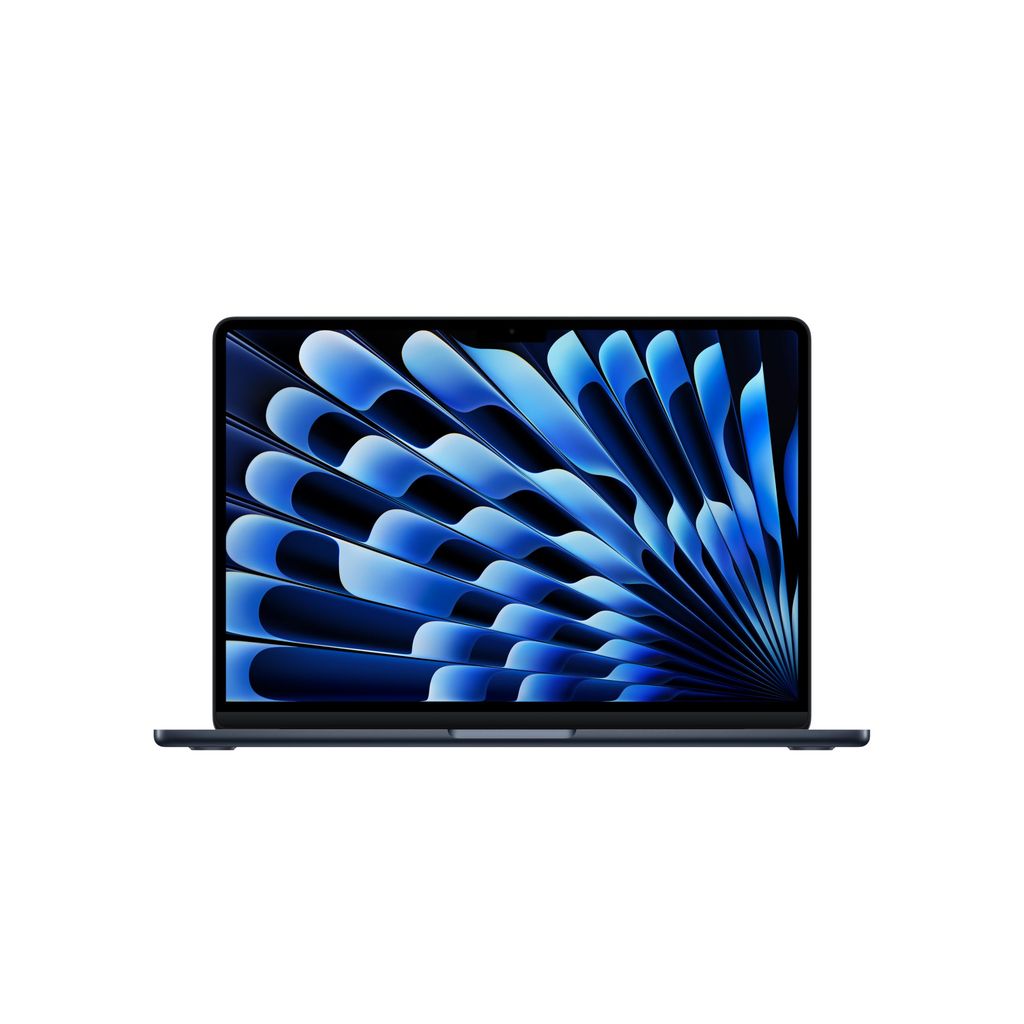
At £799 for 16GB unified memory and a 13.6-inch Liquid Retina display, Apple has quietly made a sensible move: 16GB is now the base configuration, which matters. Previous base models shipped with 8GB, and that was starting to show its age under modern browser loads and background processes. The M4 chip itself is faster across both CPU and GPU than the M3, though for most daily tasks you won't notice the difference in isolation.
The display remains one of the best in this class. Colour accuracy is sharp enough for casual photo editing, and the brightness holds up outdoors better than most Windows competitors at this price.
What it replaces, and over what timeframe
If you're on an Intel MacBook (2019 or earlier), this is a straightforward yes. The performance gap is substantial, battery life roughly doubles, and the machine runs cold under typical workloads. Coming from an M1 or M2 Air? Harder to justify. You'd be spending £799 to gain modest speed improvements and Apple Intelligence features that are, frankly, still maturing.
Spread over five years of daily use, £799 works out to roughly £13 a month. For a primary machine, that's reasonable. For a secondary laptop, it's a harder sell.
The honest weaknesses
The fanless design is a genuine trade-off. Under sustained CPU load, the M4 Air will throttle where a MacBook Pro with active cooling won't. Video editors and developers running long compiles will feel this. It's not a flaw unique to this model; it's the category's structural compromise.
The port situation (two Thunderbolt 4 ports and a MagSafe) remains limiting if you're desk-based without a hub.
Who should actually buy this
Students, writers, and anyone replacing an older Intel Mac will find £799 comfortable to justify. Creative professionals doing heavy lifting should budget for the Pro.