Not Your Usual Self-Help Waffle
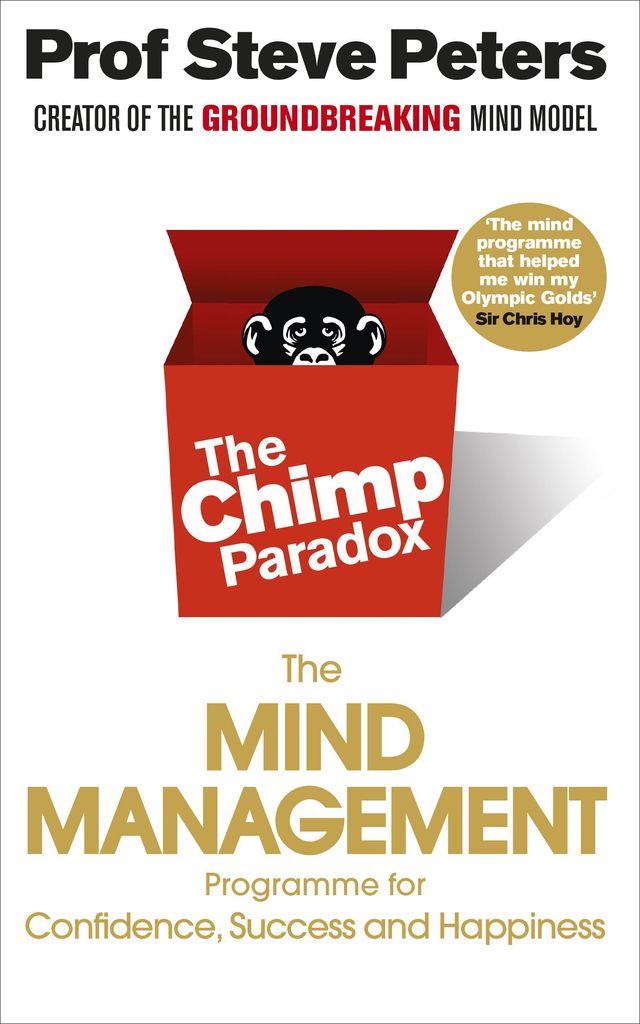
I'll be upfront: I'm suspicious of self-help books. Most of them recycle the same three ideas across 300 pages and make you feel vaguely guilty for not journaling every morning. The Chimp Paradox is a bit different, and I say that having actually read the thing.
Professor Steve Peters worked with British Cycling at their absolute peak, helping riders like Chris Hoy and Victoria Pendleton manage the mental side of competing. The model he built around the 'chimp brain' versus the rational mind is not exactly neuroscience-by-the-book, but it's a useful shorthand. You'll find yourself noticing your own chimp throwing a wobbler in a meeting or on a bad commute. That recognition alone is worth something.
Who It's Actually For
If you've never read anything in this space, this is a solid starting point. Accessible, readable, and it doesn't talk down to you. My sister picked it up after a rough patch at work and said it genuinely helped her stop catastrophising. That's a real thing, not a cover blurb.
If you're already deep into psychology or have read a lot around cognitive behavioural therapy, some of it will feel familiar, perhaps a little simplified.
The Reservation
The later chapters do drag a bit. Peters is a better explainer than he is a storyteller, and the book occasionally tips into repetition. But at 99p on Kindle? The bar for value is extremely low here. You'd spend more on a chocolate bar at a service station.
Pick it up. Worst case, you read three chapters and learn one useful thing about why you argue with strangers online.